
BLADDER • BOWEL • PELVIC FLOOR
Bladder & Bowel Pelvic Floor Physical Therapy
Bladder and bowel symptoms can affect everyday life in ways that are frustrating, disruptive, and sometimes difficult to talk about. Pelvic floor physical therapy can help identify what’s contributing to symptoms like leakage, urgency, frequency, constipation, or difficulty emptying—and help you work toward better control and confidence.
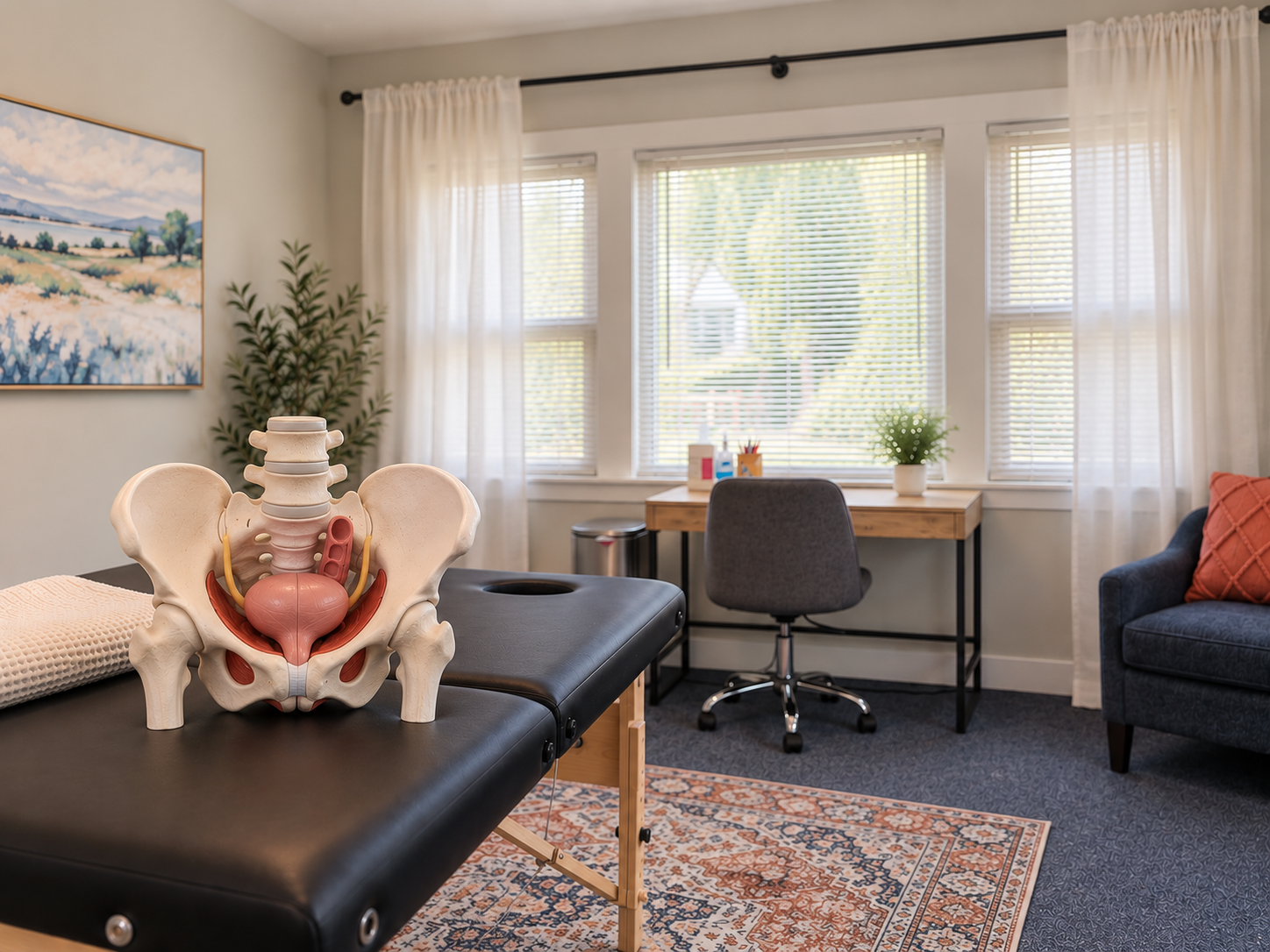
Are Bladder or Bowel Symptoms Getting in the Way?
You may benefit from pelvic floor physical therapy if you’re experiencing:
BLADDER SYMPTOMS
• Urinary leakage
• Sudden or strong urgency
• Frequent urination
• Waking at night to urinate
• Difficulty emptying
• Post-void dribbling
• Starting and stopping your stream
BOWEL SYMPTOMS
• Constipation
• Straining
• Incomplete emptying
• Bowel urgency
• Fecal leakage
• Difficulty controlling gas
• Pain or difficulty with bowel movements
Even symptoms you’ve had for years may be worth taking another look at.
How Can Pelvic Floor Physical Therapy Help?
Bladder and bowel symptoms don’t always mean your pelvic floor is weak. Sometimes the muscles are tense, sometimes they have difficulty coordinating, and often there are several factors contributing to what you’re experiencing. Treatment is based on what we find, not a one-size-fits-all exercise program.
IMPROVE COORDINATION
Learn how to contract, relax, and coordinate your pelvic floor with breathing and to manage pressure during everyday activities, exercise, urination, and bowel movements.
CHANGE HABITS & STRATEGIES
Address bladder and bowel habits, toileting positions and mechanics, urgency strategies, and other factors that may be contributing to your symptoms.
Your treatment is individualized to what we find and what matters most to you.
Bladder & Bowel Physical Therapy FAQs
-
A typical bladder interval is about every 2–4 hours while you’re awake, with waking 0–1 time per night to urinate generally considered within normal limits. Your individual pattern can vary depending on fluid intake, medications, activity, age, and other health factors.
If you’re urinating much more frequently, waking multiple times at night, going “just in case,” or organizing your day around bathroom access, pelvic floor physical therapy can help identify what may be contributing. Don’t let your bladder be the boss—we can help you take back control.
-
Feeling like you have to urinate frequently doesn’t always mean your bladder is actually full. Urgency and frequency can be influenced by bladder habits, pelvic floor muscle tension or coordination, fluid intake, bladder irritants, and how your nervous system responds to bladder signals.
Pelvic floor physical therapy can help identify what may be driving that frequent urge and teach you strategies to calm urgency, improve bladder capacity, and gradually increase the time between bathroom trips.
-
Bladder leakage is common, but that doesn’t mean you have to accept it as normal. Leakage can happen with coughing, sneezing, laughing, lifting, running or exercise, or when a strong urge comes on—and it can affect people of all ages, whether or not they’ve had children.
Pelvic floor physical therapy can help determine why you’re leaking and address the strength, tension, coordination, pressure management, bladder habits, or movement factors that may be contributing.
-
Feeling like your bladder hasn’t fully emptied can happen for several reasons and doesn’t always mean urine is actually being retained. Pelvic floor muscle tension or poor coordination, toileting habits, difficulty relaxing, and other medical factors can all contribute to the sensation of incomplete emptying.
Pelvic floor physical therapy can assess how your pelvic floor is functioning during urination and work on relaxation, coordination, positioning, and voiding strategies when appropriate. If your symptoms suggest a medical cause that needs further evaluation, we’ll recommend following up with the appropriate provider.
-
Yes. Constipation isn’t always just about what you eat or how often you have a bowel movement. Your pelvic floor muscles need to relax and coordinate with your breathing and abdominal pressure to allow stool to pass. If that coordination isn’t happening well, you may experience straining, incomplete emptying, or the feeling that stool is “stuck.”
Pelvic floor physical therapy can help improve pelvic floor relaxation and coordination, toileting position and mechanics, and breathing and pressure strategies to make bowel movements easier and more efficient.
-
Feeling like you haven’t fully emptied after a bowel movement can be related to how your pelvic floor muscles relax and coordinate. If the muscles tighten instead of relaxing, or if breathing and pressure aren’t working together efficiently, stool may be more difficult to pass and you may find yourself straining or returning to the bathroom shortly afterward.
Pelvic floor physical therapy can help assess pelvic floor coordination, toileting position and mechanics, and breathing and pressure management to help make bowel movements easier and feel more complete.
-
Yes. Bowel urgency and fecal leakage can happen when the pelvic floor muscles aren’t providing enough support, have difficulty coordinating, or aren’t responding effectively when you need them to. Stool consistency, bowel habits, and other medical factors can also play a role.
Pelvic floor physical therapy can help identify what may be contributing and work on pelvic floor strength and coordination, urge-control strategies, bowel habits, and toileting mechanics based on what your body needs.
-
No. An internal pelvic floor exam is never required. There are many ways we can assess and treat bladder and bowel symptoms without an internal assessment.
If an internal exam could provide useful information about how your pelvic floor muscles contract, relax, or coordinate, we’ll explain why we’re recommending it, what it involves, and what other options are available. You decide what feels right for you, and consent is ongoing throughout your care.
Ready to Get Started?
You don’t have to plan your day around the bathroom or keep wondering if your symptoms are something you just have to live with. We’re here to help you understand what’s going on and find a path forward.
Have more questions? Visit our General FAQs →