
PELVIC ORGAN PROLAPSE • PESSARY FITTING • SUPPORT
Pelvic Organ Prolapse & Pessary Fitting
Pelvic organ prolapse can cause pressure, heaviness, bulging, or the feeling that something just isn’t quite right. Pelvic floor physical therapy can help you understand what’s contributing to your symptoms, improve strength and pressure management, and keep you active. When additional support is helpful, we also offer individualized pessary fitting to help you feel more comfortable and confident in everyday life.
Support for Pelvic Organ Prolapse
There’s more than one way to manage pelvic organ prolapse. Depending on your symptoms, goals, and lifestyle, treatment may include pelvic floor physical therapy, a pessary, or a combination of both.
PELVIC FLOOR PHYSICAL THERAPY
Pelvic floor physical therapy can address strength, coordination, pressure management, and movement factors that may contribute to prolapse symptoms. We’ll help you find strategies to feel more supported during everyday activities, exercise, lifting, and the things you want to keep doing
PESSARY FITTING & SUPPORT
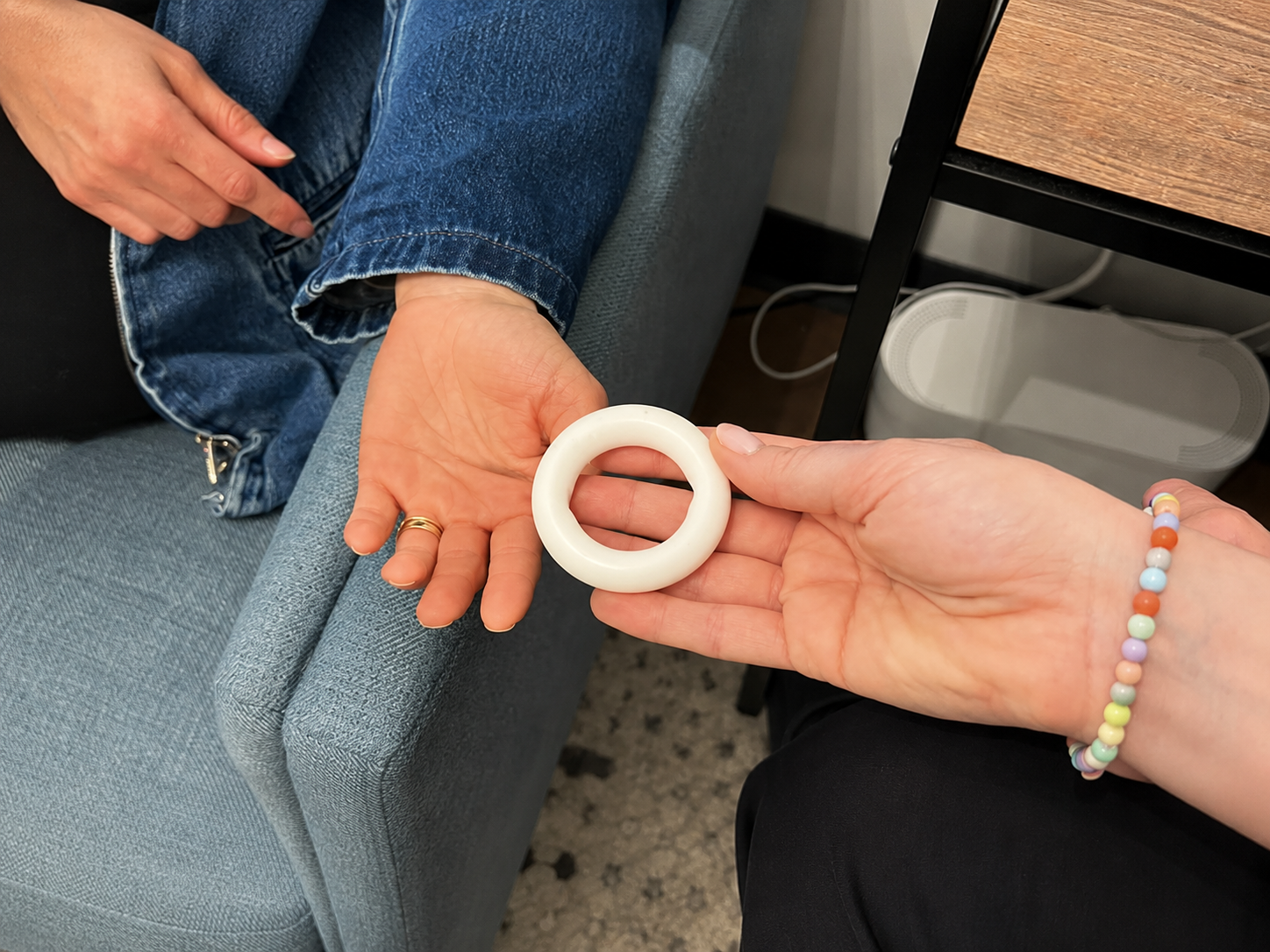
A pessary is a removable device worn inside the vagina to provide additional support to the pelvic organs. We offer individualized fitting to find a style and size that feels comfortable and provides the support you need.
What Does a Pessary Fitting Look Like?
Finding the right pessary is about more than choosing a size. We’ll talk about your symptoms, activities, and goals, then try different pessary styles and sizes to find an option that feels comfortable and provides the support you need.
FIND THE RIGHT FIT
We’ll assess your needs and trial different pessary styles and sizes to find the best combination of comfort and support.
MAKE SURE IT WORKS FOR YOU
We’ll assess your needs and trial different pessary styles and sizes to find the best combination of comfort and support.
LEARN HOW TO USE IT
We’ll assess your needs and trial different pessary styles and sizes to find the best combination of comfort and support.
Pelvic Organ Prolapse & Pessary FAQs
-
Pelvic organ prolapse occurs when one or more of the pelvic organs shift downward and create pressure or a bulge into the vagina. You may notice heaviness, pressure, vaginal bulging, or the feeling that something is “falling out,” although some people have very few symptoms.
Pelvic floor physical therapy can help address strength, coordination, pressure management, and movement strategies to reduce symptoms and help you stay active.
-
Yes. Pelvic floor physical therapy can help reduce prolapse symptoms and improve how your pelvic floor supports you during everyday activities. Treatment may address pelvic floor strength and coordination, breathing and pressure management, core and hip strength, bowel habits, and how you move during lifting and exercise.
The goal is to help you manage your symptoms while continuing to do the activities that matter to you.
-
In many cases, yes. Having pelvic organ prolapse doesn’t automatically mean you need to stop lifting, running, or exercising. The right approach depends on your symptoms, your current strength, and how your body responds to different activities.
Pelvic floor physical therapy can help you work on strength, breathing and pressure management, and exercise technique so you can stay active while managing prolapse symptoms.
-
A pessary is a removable device worn inside the vagina to provide additional support to the pelvic organs. Pessaries come in different shapes and sizes and can be used to help manage symptoms of pelvic organ prolapse and, in some cases, urinary leakage.
A properly fitted pessary should feel comfortable and supportive while allowing you to continue with your normal daily activities.
-
A pessary may be helpful if pelvic pressure, heaviness, or bulging is getting in the way of everyday activities or exercise. Some people use a pessary regularly, while others prefer to wear one only for activities that tend to bring on symptoms, such as running, lifting, or prolonged standing.
During a fitting, we can help determine whether a pessary improves your symptoms and feels comfortable for your body and lifestyle.
-
During your fitting, we’ll talk about your symptoms and goals and try different pessary styles and sizes to find the best fit for you. Once a pessary is in place, we’ll have you move around and try different activities to make sure it feels comfortable and provides the support you need.
We’ll also teach you how to insert, remove, and care for your pessary so you feel confident using it at home.
-
Yes. Many pessaries can be inserted and removed independently at home. During your fitting, we’ll teach you how to safely insert and remove your pessary and give you time to practice so you feel comfortable doing it yourself.
How often you remove it will depend on the type of pessary you use and your individual needs.
-
A pessary and pelvic floor physical therapy can work really well together. A pessary provides additional support to help manage prolapse symptoms, while physical therapy addresses factors such as pelvic floor function, strength, pressure management, bowel habits, and movement.
Some people benefit from one approach or the other, while others find that combining both gives them the support they need to stay comfortable and active.
Ready to Get Started?
Whether you’re looking for help managing prolapse symptoms, interested in trying a pessary, or wondering which option might be right for you, we’re here to help you find the support that works for your body and your lifestyle.
Have more questions? Visit our General FAQs →