
GENDER-AFFIRMING CARE • PELVIC HEALTH
Gender-Affirming Pelvic Health Physical Therapy
Pelvic floor physical therapy can support your comfort, function, and movement throughout your gender-affirming care. Whether you’re experiencing pelvic floor symptoms, changes related to binding or gaffing, preparing for or recovering from surgery, or simply looking for care that respects your body and your goals, treatment is individualized to what matters to you.
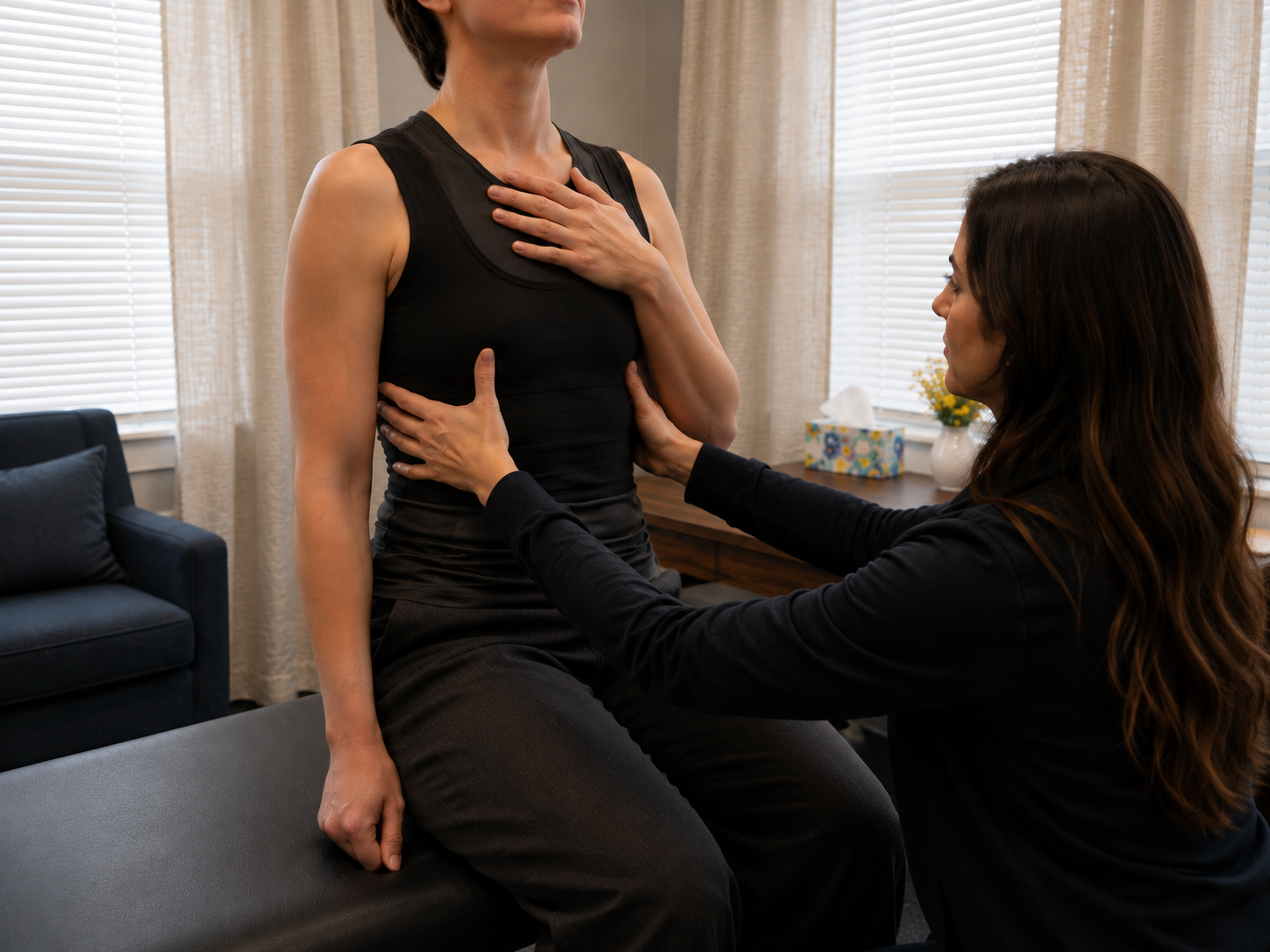
How Can Gender-Affirming Pelvic Floor Physical Therapy Help?
Your care should reflect your body, your goals, and what feels comfortable for you. Pelvic floor physical therapy can address symptoms and physical changes that may occur with gender expression, daily activities, or gender-affirming medical care.
PELVIC FLOOR & BODY COMFORT
Pelvic pain
Bladder or bowel symptoms
Pain with sexual activity
Core or hip concerns
Pelvic floor tension
Changes in strength or coordination
GENDER-AFFIRMING SUPPORT
Binding-related rib cage, breathing or shoulder restrictions
Gaffing-related pelvic floor symptoms
Preparing for gender-affirming surgery
Post-operative recovery
Pelvic floor tension
Returning to exercise and everyday activity
Gender-Affirming Pelvic Health FAQs
-
Pelvic floor physical therapy can help with bladder and bowel symptoms, pelvic pain, pain with sexual activity, pelvic floor tension, and changes in strength or coordination. We can also address physical concerns related to binding or gaffing and provide support before or after gender-affirming surgery.
-
Yes. Binding can change how your rib cage moves and how you breathe, especially when worn for longer periods of time. Because your breathing system, abdominal muscles, and pelvic floor work together, changes in breathing and rib cage mobility can sometimes affect pelvic floor function as well.
Physical therapy can help with rib cage mobility, breathing mechanics, muscle tension, and movement strategies to help you feel more comfortable while respecting your gender expression and goals.
-
Gaffing can change the pressure placed on the pelvis and surrounding tissues and may contribute to discomfort or pelvic floor symptoms for some people. Symptoms may include pelvic or genital discomfort, muscle tension, changes in bladder or bowel function, or discomfort with prolonged wear.
Pelvic floor physical therapy can help address muscle tension, mobility, pressure management, and other factors contributing to your symptoms while working with your individual needs and goals.
-
Yes. Pelvic floor physical therapy can provide support both before and after gender-affirming surgery. Before surgery, care may focus on pelvic floor function, breathing, mobility, strength, and preparing for recovery.
After surgery and once medically appropriate, physical therapy can help address mobility, scar and tissue restrictions, pelvic floor function, pain, and a gradual return to everyday activities and exercise, depending on your procedure and goals.
-
No. An internal pelvic floor exam is never required. There are many ways we can assess and treat pelvic floor symptoms without an internal examination.
If an internal assessment could provide useful information, we’ll explain why it may be helpful, what it involves, and what other options are available. You decide what feels right for you, and consent is ongoing throughout your care.
-
That’s okay—you don’t need to know exactly what’s causing your symptoms before you come in. Pelvic floor symptoms can overlap with issues involving the hips, spine, abdominal wall, breathing, bladder, bowel, and other areas of the body.
We’ll look at the whole picture to help determine what may be contributing and whether pelvic floor physical therapy is appropriate for you.
Ready to Get Started?
Whether you’re experiencing pelvic floor symptoms, looking for support related to binding or gaffing, or preparing for or recovering from gender-affirming surgery, we’re here to provide care that respects your body, your comfort, and your goals.
Have more questions? Visit our General FAQs →