
PERIMENOPAUSE • MENOPAUSE • PELVIC HEALTH
Perimenopause & Menopause Pelvic Floor Physical Therapy
Your pelvic health can change during perimenopause and menopause—even if you’ve never had pelvic floor symptoms before. Hormonal changes can affect the muscles and tissues of the pelvic floor and may contribute to bladder changes, pelvic pressure, pain with sex, vaginal or vulvar discomfort, and changes in strength or function. Pelvic floor physical therapy can help you understand what’s changing and find strategies to keep you comfortable, active, and doing the things you enjoy.
How Can Pelvic Health Change During Perimenopause & Menopause?
Hormonal changes during perimenopause and menopause can affect the muscles and tissues of the pelvic floor, bladder, vulva and vagina—but symptoms can look different for everyone. You may notice changes that are completely new, or symptoms you’ve had before may become more noticeable.
VAGINAL, VULVAR & SEXUAL HEALTH
Vaginal or vulvar dryness
Vulvar irritation or discomfort
Pain with sex or penetration
Changes in tissue sensitivity
Pelvic pain
BLADDER & PELVIC FLOOR CHANGES
Urinary leakage
Urinary urgency
Increased urinary frequency
Nighttime voiding
Pelvic pressure or heaviness
Changes in pelvic floor strength or coordination
Staying Strong & Active Through Menopause
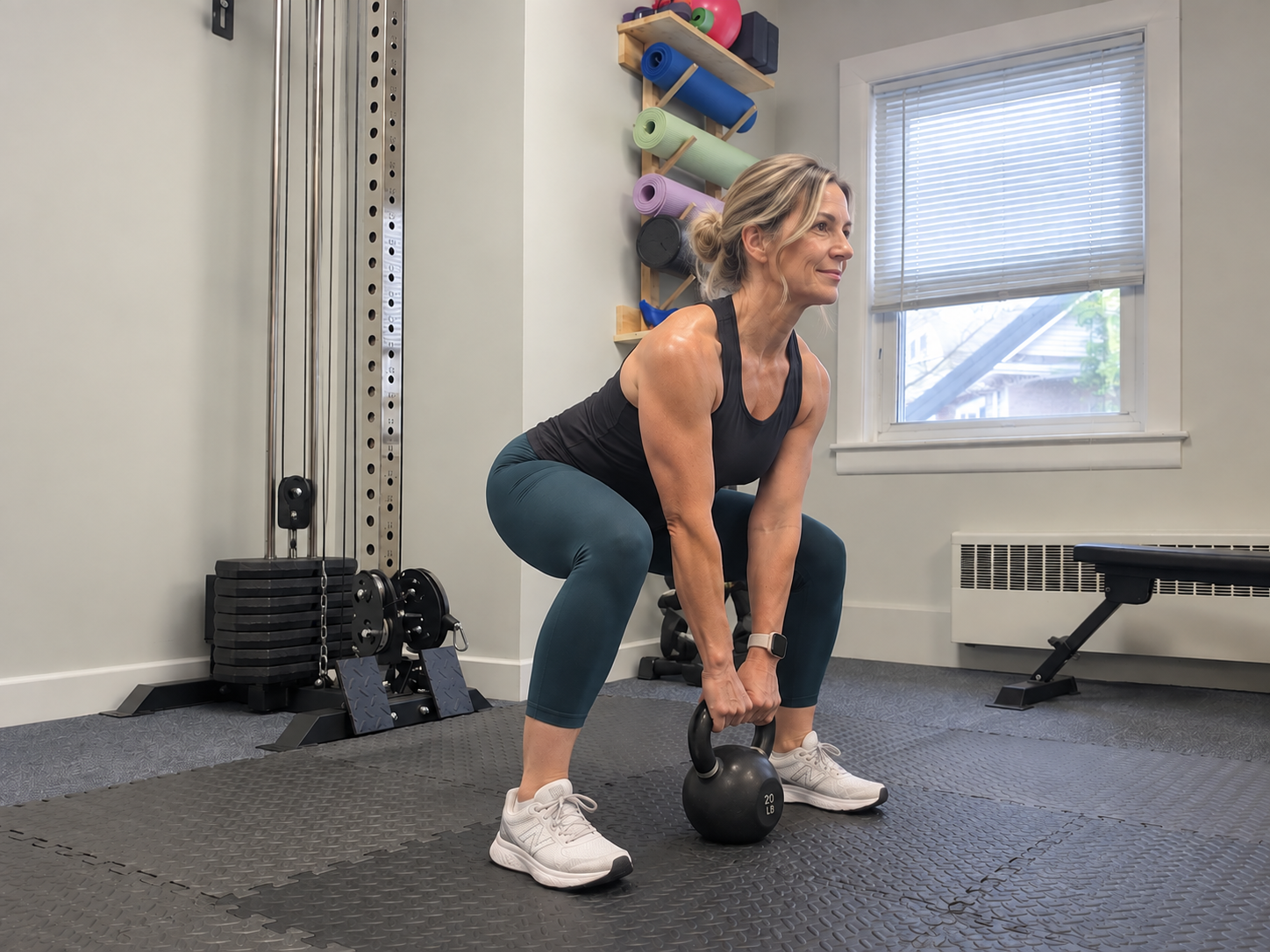
Pelvic health during menopause is about more than managing symptoms. Changes in hormones can also affect muscle mass, strength, bone health, and how your body responds to exercise. Physical therapy can help you build a plan that supports both your pelvic floor and your whole body.
BUILD & MAINTAIN STRENGTH
Progressive resistance training can help maintain muscle, support bone health, and build the strength you need for everyday life and exercise.
KEEP DOING WHAT YOU LOVE
Stay active or return to lifting, running, sports, and exercise with a plan built around your body, symptoms, and goals.
Perimenopause & Menopause Pelvic Health FAQs
-
Hormonal changes during perimenopause and menopause can affect the tissues of the pelvic floor, vagina, vulva, and urinary system. At the same time, changes in muscle strength, activity, sleep, and other factors can influence how your pelvic floor functions.
You may notice new or changing symptoms such as urinary leakage, urgency, pelvic pressure, vaginal or vulvar discomfort, or pain with sex. Pelvic floor physical therapy can help identify what’s contributing and determine what can be addressed through PT.
-
Urinary leakage can appear for the first time—or become more noticeable—during perimenopause and menopause. Changes in pelvic floor function, tissue health, bladder habits, strength, and pressure management can all play a role.
Pelvic floor physical therapy can help determine why you’re leaking and address the specific factors contributing to your symptoms.
-
Yes. Urinary urgency and frequency can develop or become more noticeable during perimenopause and menopause. Hormonal changes can affect the bladder and urinary tissues, while pelvic floor muscle tension or coordination, bladder habits, and other factors may also contribute.
Pelvic floor physical therapy can help identify what may be driving your symptoms and work on bladder habits, pelvic floor function, and strategies to improve urgency and frequency.
-
Yes. Pain with sex can develop or become more noticeable during perimenopause and menopause. Hormonal changes can affect vaginal and vulvar tissues, while pelvic floor muscle tension, difficulty relaxing, scar tissue, or increased sensitivity may also contribute.
Pelvic floor physical therapy can help address the muscle, movement, and sensitivity factors contributing to pain and can work alongside medical treatments when hormonal or tissue changes are also involved.
-
Yes. Vaginal or vulvar dryness, burning, irritation, or sensitivity can become more common during perimenopause and menopause. Hormonal changes may affect the tissues, while pelvic floor muscle tension and increased sensitivity can also contribute to discomfort.
Pelvic floor physical therapy can help address pelvic floor muscle tension, sensitivity, and other musculoskeletal factors contributing to your symptoms, while working alongside your medical provider when hormonal treatment may also be helpful.
-
Menopause itself doesn’t necessarily cause pelvic organ prolapse, but hormonal and tissue changes may influence the support around the pelvic organs. Pregnancy and childbirth history, genetics, constipation, repetitive straining, and changes in strength and activity can also play a role.
Pelvic floor physical therapy can help with pelvic floor function, pressure management, strength, and movement strategies to reduce symptoms and help you stay active with prolapse.
-
No. It’s never too late to address pelvic floor symptoms or improve how your body functions. Whether your symptoms are new or something you’ve dealt with for years, pelvic floor physical therapy can help identify what may be contributing.
Treatment can help improve strength, coordination, mobility, bladder and bowel function, and confidence with everyday activity and exercise based on your individual goals.
-
Strength training becomes especially important during perimenopause and menopause as changes in hormones can contribute to declines in muscle mass and bone density. Regular resistance training can help maintain strength, support bone health, and make everyday activities easier.
Physical therapy can help you build or progress a strength program safely, especially if pelvic floor symptoms, pain, or other concerns have made you hesitant to lift heavier weights.
-
In many cases, yes. Having pelvic floor symptoms doesn’t automatically mean you need to stop running, lifting, or doing high-impact exercise. The goal is to understand what’s contributing to your symptoms and find ways to keep you active while addressing them.
Pelvic floor physical therapy can help you work on strength, pressure management, pelvic floor coordination, and exercise progression so you can participate in the activities you enjoy with more confidence.
-
Genitourinary syndrome of menopause (GSM) describes changes in the vulva, vagina, bladder, and urinary tract related to declining estrogen and other hormonal changes. Symptoms can include vaginal or vulvar dryness, burning or irritation, pain with sex, urinary urgency or frequency, and recurrent urinary tract infections.
Pelvic floor physical therapy can help address pelvic floor muscle tension, pain, bladder symptoms, and other musculoskeletal factors that may occur alongside GSM. Because hormonal tissue changes may also need medical treatment, we can work alongside your gynecologist or other healthcare provider as part of your care.
Ready to Get Started?
Whether you’re navigating new pelvic floor symptoms, trying to stay strong and active, or simply noticing that your body feels different during perimenopause or menopause, we’re here to help you understand what’s changing and find a path forward.
Have more questions? Visit our General FAQs →