
PELVIC PAIN • ABDOMINAL PAIN • PAIN WITH SEX
Pelvic Pain Physical Therapy
Pelvic pain can be complicated and it doesn’t always have one obvious cause. Whether your pain is new or has been there for years, pelvic floor physical therapy can help identify the muscles, joints, nerves, movement patterns, and other factors that may be contributing to your symptoms and build a treatment plan around what you want to get back to.
What Can Pelvic Pain Feel Like?
Pelvic pain can show up in different places and in different ways. You may benefit from pelvic floor physical therapy if you’re experiencing:
PELVIC & ABDOMINAL PAIN
Pelvic or lower abdominal pain (including from pelvic venous disorders)
Vaginal or vulvar pain
Rectal pain
Genital or testicular pain
Endometriosis-related pelvic or abdominal pain
Tailbone pain
Pain with sitting
Pain associated with bladder or bowel movements
SEXUAL & ACTIVITY-RELATED PAIN
Pain with intercourse or penetration
Pain with erection
Pain with pelvic exams
Pain during or after exercise
Pain with lifting or everyday movement
Persistent hip, groin, or pelvic pain
Pain related to scars or prior pelvic/abdominal surgery
How Can Pelvic Floor Physical Therapy Help With Pelvic Pain?
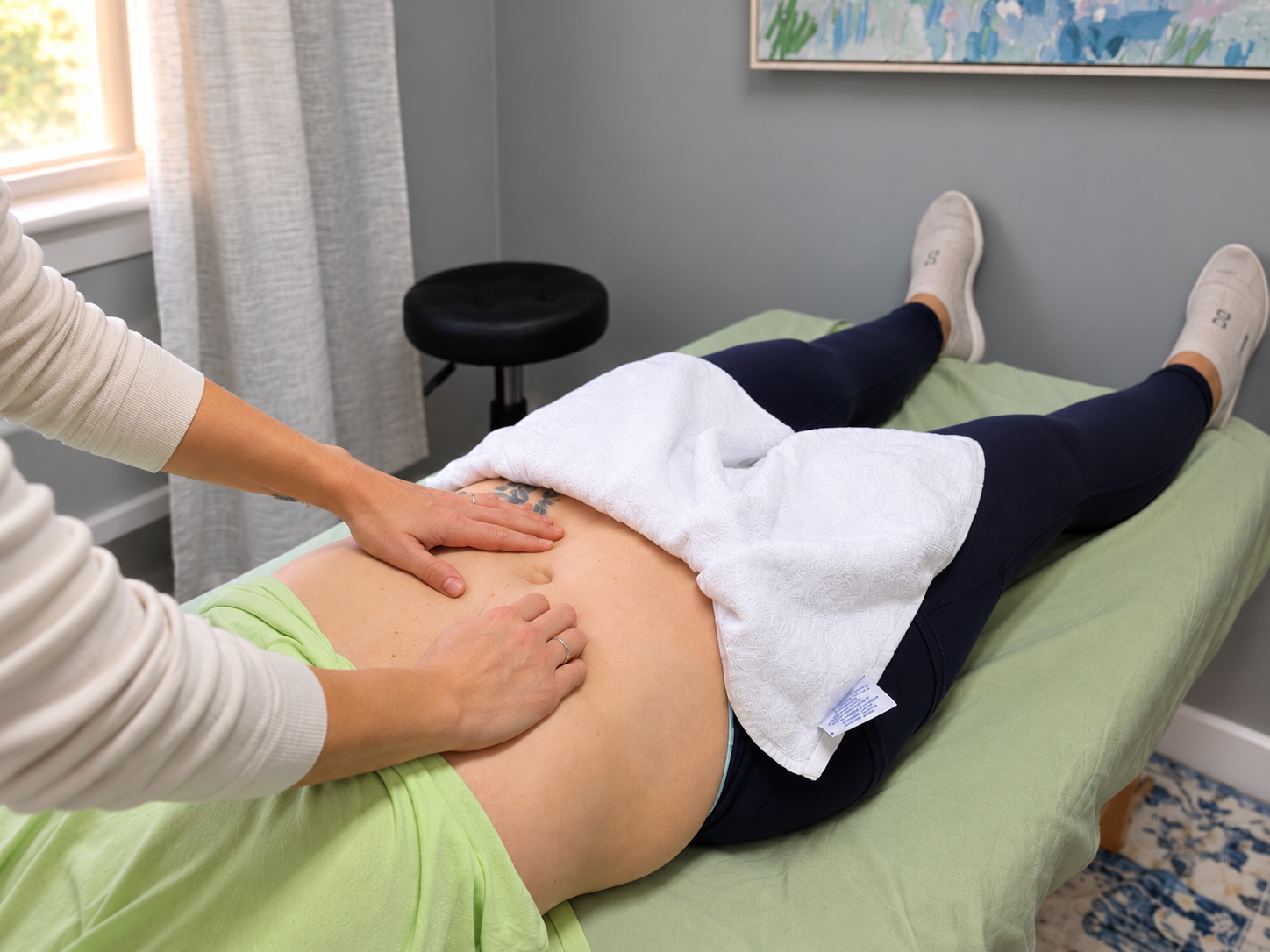
Pelvic pain is rarely about just one muscle. Your pelvic floor is part of a larger system, so we look at the whole body to understand what may be contributing to your symptoms. That may include your muscles and connective tissues, nerves, joints, breathing, strength, movement patterns, and how your nervous system is responding to pain.
CALM PAIN & SENSITIVITY
Address sensitive muscles, tissues, and nerves while helping calm the nervous system’s response to pain.
IMPROVE HOW YOUR BODY MOVES
Address strength, mobility, coordination, and movement patterns that may be contributing to pain or keeping it around.
BUILD BACK TO WHAT MATTERS
Gradually return to exercise, intimacy, sitting, lifting, and everyday activities based on your goals.
Pelvic pain care can extend beyond what happens on the treatment table. Depending on what’s contributing to your symptoms, treatment may include hands-on techniques, dry needling, cupping, mobility work, and nervous system regulation. We may also discuss sleep, nutrition, stress, and daily habits that can influence pain and recovery.
Pelvic Pain Physical Therapy FAQs
-
Yes. Pelvic floor physical therapy can help with many types of pelvic pain, even when the cause isn’t immediately obvious. Pelvic pain may involve the pelvic floor muscles, hips, spine, abdominal tissues, nerves, scars, movement patterns, or increased sensitivity within the nervous system and often more than one factor is contributing.
We look at the whole picture to understand what may be driving or maintaining your symptoms and build treatment around what we find and what you want to get back to.
-
Pelvic floor muscles that stay tense or have difficulty relaxing can contribute to pain in the pelvis and surrounding areas. Like other muscles in the body, the pelvic floor needs to be able to both contract and relax. When that balance is disrupted, it may contribute to pelvic, vaginal, rectal, genital, or abdominal pain, as well as pain with sex, sitting, urination, or bowel movements.
Treatment focuses on understanding why the muscles may be staying tense and improving relaxation, coordination, mobility, and tolerance to movement, not simply stretching or trying to “release” the pelvic floor.
-
Yes. Pain during or after sex is common, but it isn’t something you should have to push through or ignore. Pain may be related to pelvic floor muscle tension, difficulty relaxing, sensitive tissues or nerves, scar tissue, hormonal changes, or other factors affecting the pelvis and surrounding areas.
Pelvic floor physical therapy can help identify what may be contributing to your pain and gradually improve comfort with touch, penetration, and sexual activity based on your symptoms and goals.
-
Yes. The abdominal wall, pelvic floor, breathing system, hips, and spine all work together, so abdominal pain can sometimes have a musculoskeletal or pelvic floor component. Muscle tension, scar tissue, changes in mobility, nerve sensitivity, or difficulty managing pressure may all contribute.
Pelvic floor physical therapy can help determine whether muscles, tissues, nerves, scars, or movement patterns may be playing a role in your symptoms and address those factors as part of your care.
-
Yes. Pelvic floor physical therapy can help address many of the symptoms that can occur alongside endometriosis, although physical therapy does not treat the endometriosis itself. Endometriosis-related pain may be associated with pelvic floor muscle tension, abdominal or pelvic tissue restrictions, nerve sensitivity, pain with sex, bowel or bladder symptoms, and changes in how your body moves in response to pain.
Treatment focuses on the musculoskeletal and nervous system factors contributing to your symptoms and can be an important part of a broader endometriosis care plan.
-
Yes. Tailbone (coccyx) pain can be related to the pelvic floor muscles, surrounding joints and tissues, or how you sit and move. It may develop after a fall, pregnancy or delivery, prolonged sitting, or sometimes without an obvious injury.
Pelvic floor physical therapy can assess coccyx mobility, pelvic floor function, surrounding muscles and joints, and movement patterns to identify factors that may be contributing to your pain and help make sitting and everyday activities more comfortable.
-
Yes. Vulvar, vaginal, or genital pain can involve the pelvic floor muscles, surrounding tissues, nerves, or increased sensitivity in the nervous system. Symptoms may include burning, aching, pressure, sensitivity to touch or clothing, or pain with sitting, exercise, or sexual activity.
Pelvic floor physical therapy can help identify musculoskeletal and nervous system factors that may be contributing and use individualized strategies to decrease sensitivity, improve pelvic floor function, and gradually increase comfort with everyday activities.
-
Normal tests or imaging don’t mean your pain isn’t real or that there’s nothing contributing to it. Imaging and medical testing are important for ruling out certain conditions, but they don’t always show how your muscles, joints, nerves, pelvic floor, or movement are functioning.
Pelvic floor physical therapy looks at factors that may not show up on a scan, helping us identify possible contributors to your symptoms and develop a plan based on what we find.
-
No. An internal pelvic floor exam is always your choice and is never required. There are many ways we can assess and treat pelvic pain without an internal examination, including looking at movement, strength, mobility, breathing, the hips and spine, abdominal tissues, and other areas related to your symptoms.
If an internal assessment could provide useful information, we’ll explain why it may be helpful, what it involves, and what other options are available. You decide what feels right for you, and consent is ongoing throughout your care.
-
It’s still worth taking another look, even if your pain has been there for a long time or you’ve already tried other treatments. Persistent pelvic pain can involve a combination of muscles, joints, nerves, movement patterns, and changes in how the nervous system processes pain over time.
We’ll look at what has already been tried, what helped, what didn’t, and what may not have been addressed yet to determine whether there are opportunities to improve your symptoms, function, and quality of life.
-
Pelvic venous disorders can contribute to pelvic, abdominal, or low back pain, pressure, and heaviness, and symptoms may overlap with pelvic floor dysfunction. While physical therapy does not treat the underlying vein condition, it can help address pelvic floor muscle tension, mobility restrictions, strength, breathing and pressure management, and other musculoskeletal factors that may contribute to how you feel.
We can also work alongside your vascular or medical team as part of a broader treatment plan.
Ready to Get Started?
Whether your pain is new, has been there for years, or you haven’t found answers yet, we’re here to help you understand what may be contributing and find a path forward.
Have more questions? Visit our General FAQs →