
PREGNANCY • BIRTH PREPARATION • POSTPARTUM
Pregnancy & Postpartum Physical Therapy
Pregnancy changes the way your body moves, feels, and functions and you don’t have to wait until something hurts to get support. Pelvic floor physical therapy can help you stay active and comfortable during pregnancy, address new or changing symptoms, prepare for labor and delivery, and support your recovery after birth.
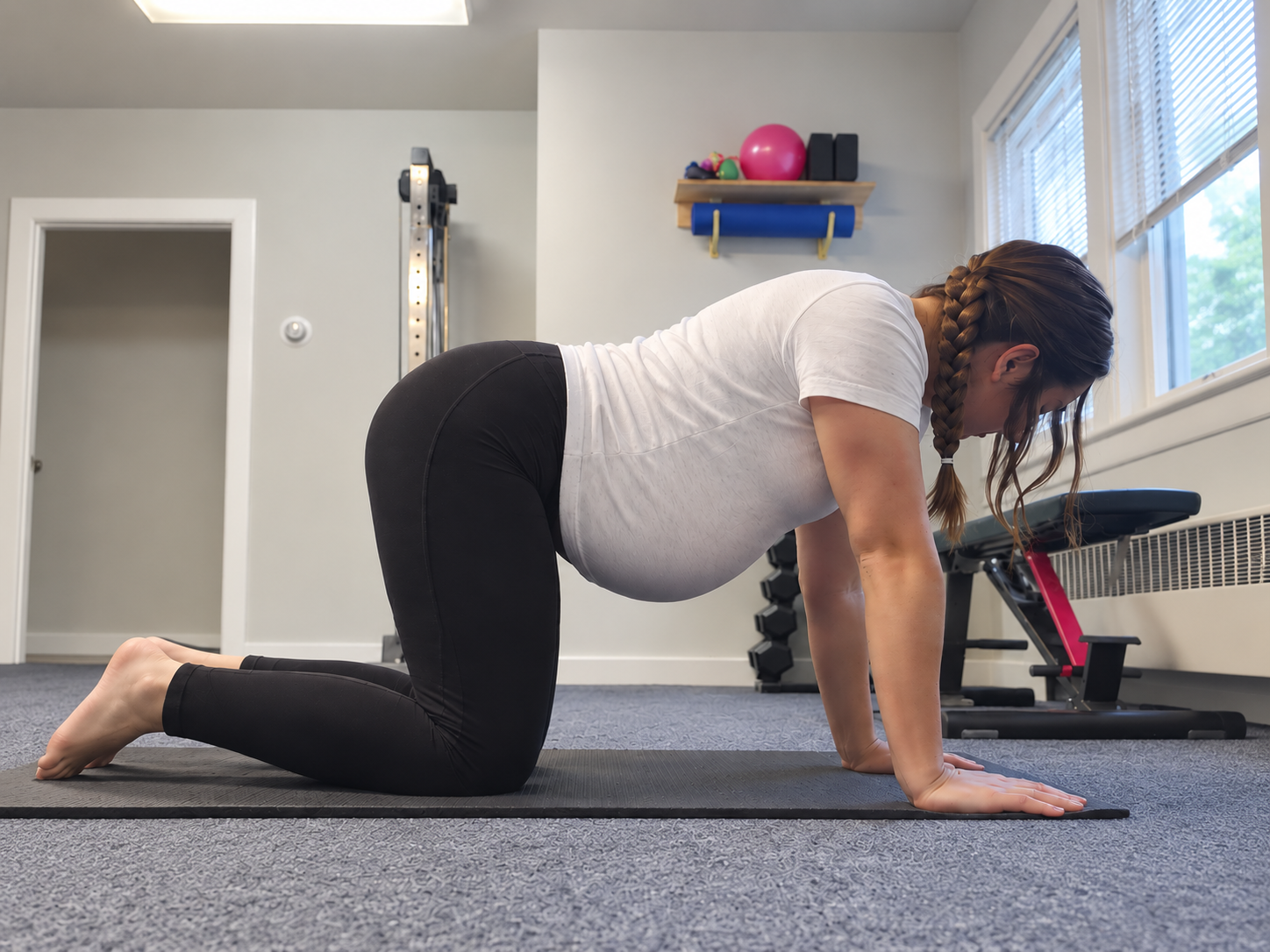
What Does Pelvic Floor Physical Therapy During Pregnancy Look Like?
Whether you’re coming in with a specific concern or simply want to stay active and feel your best throughout pregnancy, physical therapy can help you prepare for the changes ahead.
STAY ACTIVE & COMFORTABLE
Keep your hips and pelvis mobile while building the strength and stability your body needs as it grows and changes.
PREPARE FOR LABOR & BIRTH
Practice movement, birthing positions, breathing and pushing techniques in a calm environment before it’s go time!
BRING YOUR SUPPORT PERSON
Bring a partner or support person to a later visit to practice positions and hands-on strategies you can use together during labor.
POSTPARTUM RECOVERY
Postpartum Recovery Is About More Than “Bouncing Back”
Whether your baby arrived vaginally or through the sunroof (Cesarean delivery), pelvic floor physical therapy can help you understand what has changed, address symptoms that are getting in your way, and gradually rebuild strength and confidence for the activities that matter to you.
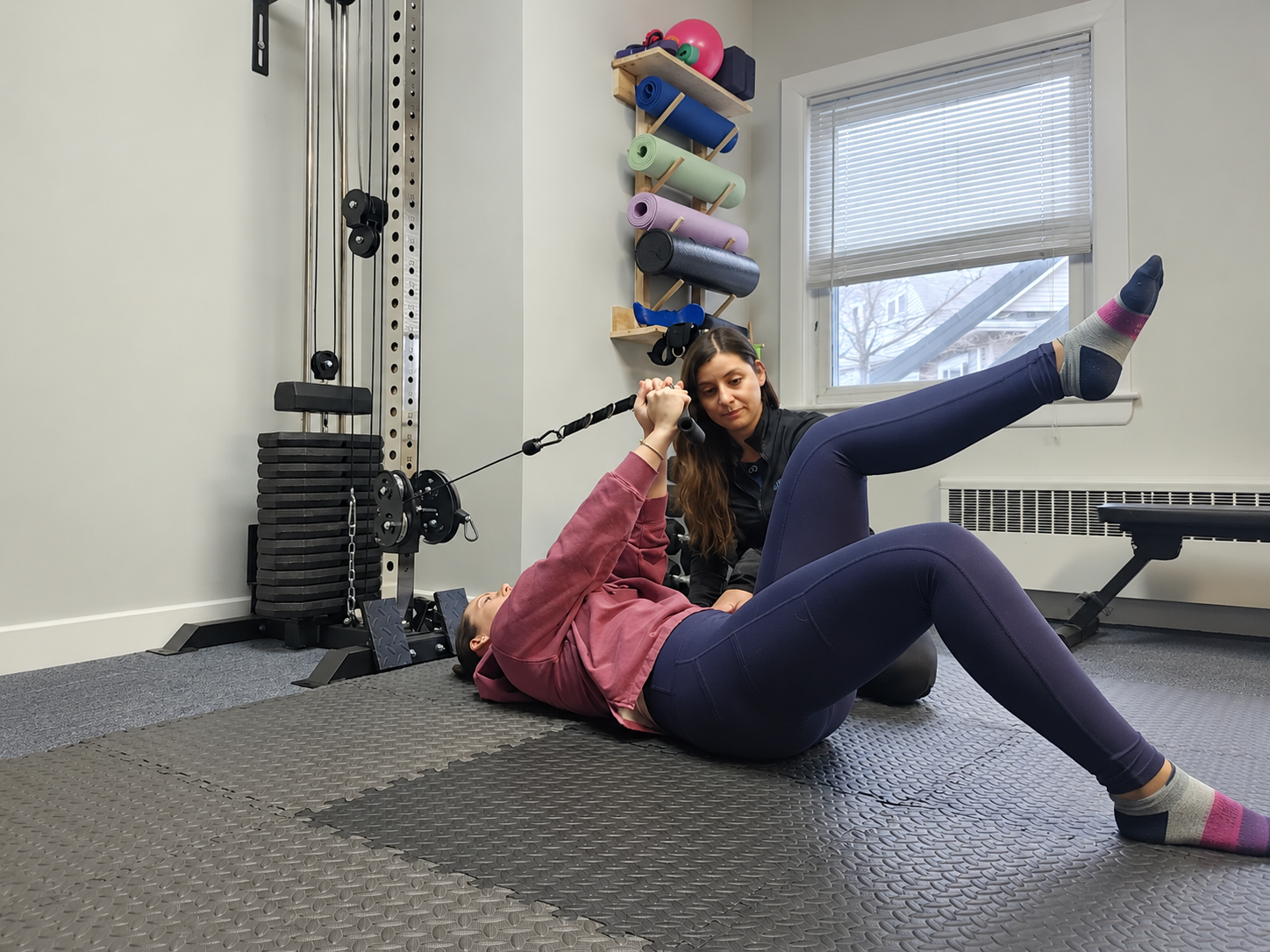
What Does Postpartum Physical Therapy Look Like?
Postpartum physical therapy is about helping your body recover from pregnancy and delivery while building the strength and confidence to get back to the things you want to do. Your care is based on your symptoms, your recovery, and your goals, whether that means feeling more comfortable day to day, returning to exercise, or getting back to higher-level activity. And yes, your baby is always welcome to come with you!
RECOVER & HEAL
Address pelvic or abdominal pain, C-section or perineal scar concerns, diastasis recti, pelvic pressure, leaking, bowel symptoms, and discomfort with sex.
REBUILD STRENGTH
Reconnect your breathing, rib cage, core, and pelvic floor while progressively rebuilding whole-body strength after pregnancy and delivery.
RETURN TO WHAT YOU LOVE
Progress back to lifting, running, sports, exercise, or simply feeling strong and confident in everyday life.
Pregnancy & Postpartum Physical Therapy FAQs
-
You can start pelvic floor physical therapy at any point during pregnancy.You don’t need to wait until the third trimester—or until you have pain or other symptoms. Earlier visits may focus on staying active and comfortable as your body changes, while later visits can include more specific preparation for labor and delivery, including mobility, birth positions, breathing, and pushing strategies
-
No. An internal pelvic floor exam is always your choice. We’ll talk through the different ways we can assess your pelvic floor, including what an internal exam may help us understand and whether it would be useful for your specific goals. There is also plenty we can assess and treat without an internal exam. You decide what feels right for you, and consent is ongoing throughout your care.
-
Yes. Pelvic floor physical therapy can help you prepare for the physical demands of labor and birth. We can work on hip and pelvic mobility, breathing and pelvic floor coordination, labor and birth positions, and different pushing strategies. As you get closer to delivery, we encourage you to bring a partner or support person so you can practice positions and hands-on support techniques together in a calm environment before it’s go time!
-
If you’re ready, you can start postpartum physical therapy before your six-week checkup. Early visits can focus on recovery, breathing and rib cage mobility, gentle movement, managing pain or pressure, bladder and bowel concerns, and making everyday activities with your baby more comfortable. As your body heals, we can gradually progress toward rebuilding strength and returning to exercise.
-
No. You don’t need to be cleared for exercise before starting postpartum physical therapy. Postpartum PT doesn’t mean jumping straight back into exercise. Early visits can focus on recovery, breathing and rib cage mobility, gentle movement, pain or pressure, bladder and bowel concerns, and strategies for everyday activities like lifting, feeding, and carrying your baby.
As you heal, we can gradually progress toward strengthening and returning to exercise while respecting any restrictions or recommendations from your medical team.
-
Yes—pelvic floor physical therapy can be beneficial after a Cesarean delivery, too. Pregnancy itself places significant demands on your pelvic floor, core, breathing system, hips, and pelvis, regardless of how your baby is delivered. After a C-section, PT can also address abdominal and scar mobility, reconnect your core and pelvic floor, and help you gradually rebuild strength and return to the activities you enjoy.
-
Pelvic floor physical therapy can help with many common postpartum symptoms (and after you’ve had a baby, you’re always postpartum). Whether it’s been six weeks or several years, you can still get support for leaking or urinary urgency, pelvic pressure or heaviness, constipation, pain with sex, pelvic or abdominal pain, diastasis recti, C-section or perineal scar concerns, and hip or low back pain. You may also simply feel like your body moves or functions differently than it used to. We can help you understand those changes, rebuild strength and confidence, and get back to the activities that matter to you.
-
Yes. Pelvic floor physical therapy can help with diastasis recti, but treatment is about more than just closing the gap. We look at how your breathing, rib cage, abdominal muscles, pelvic floor, and whole body work together. Treatment focuses on improving coordination, managing pressure, and progressively rebuilding core and whole-body strength so you can feel confident with lifting, exercise, and everyday activities.
-
Returning to running or higher-impact exercise postpartum is less about reaching a specific week and more about whether your body is ready for the demands of the activity. We look at strength, pelvic floor function, impact tolerance, and symptoms such as leaking, heaviness, pain, or pressure. From there, we can build a gradual return-to-running or exercise plan that meets you where you are and progresses toward your goals.
-
Absolutely, your baby is always welcome to come with you! We know that finding childcare can be difficult, especially in the early postpartum months. Bring your baby along, and we’ll work around feeding, soothing, or whatever else comes up during your visit. Your appointment doesn’t have to be perfect to be productive.
Ready to Get Started?
Whether you’re preparing for birth, navigating postpartum recovery, or returning to the activities you love, we’re here to help.
Have more questions? Visit our General FAQs →