
HIP • LOW BACK • PELVIS • ORTHOPEDIC CARE
Orthopedic Pelvic, Hip & Low Back Physical Therapy
Hip, low back, and pelvic pain don’t always fit neatly into one category. The pelvic floor, core, hips, and spine work together, which means persistent pain may require looking beyond the area that hurts. We combine orthopedic and pelvic floor physical therapy to identify what may be contributing and build a treatment plan around how your whole body moves.
When Hip, Back & Pelvic Pain Are Connected
Pain doesn’t always come from the place where you feel it. The hips, spine, core, and pelvic floor work together, so persistent symptoms may require looking at how the entire system is moving and functioning.
HIP & PELVIC CONCERNS
Hip or groin pain
SI joint pain
Tailbone pain
Deep gluteal pain
Pelvic pain
Pain with sitting
Difficulty with walking or exercise
LOW BACK & MOVEMENT CONCERNS
Low back pain
Pain with bending or lifting
Symptoms with prolonged sitting or standing
Core weakness or difficulty coordinating your core
Pain with exercise
Symptoms that haven’t improved with traditional orthopedic PT
Why Look Beyond the Area That Hurts?
Your hip, low back, core, and pelvic floor don’t work independently. When pain persists, we look at how these areas work together to identify factors that may have been missed when treatment focused only on the painful area.
LOOK AT THE WHOLE SYSTEM
We assess your hips, spine, core, pelvic floor, strength, mobility, and movement— not just the spot that hurts.
TREAT WHAT WE FIND
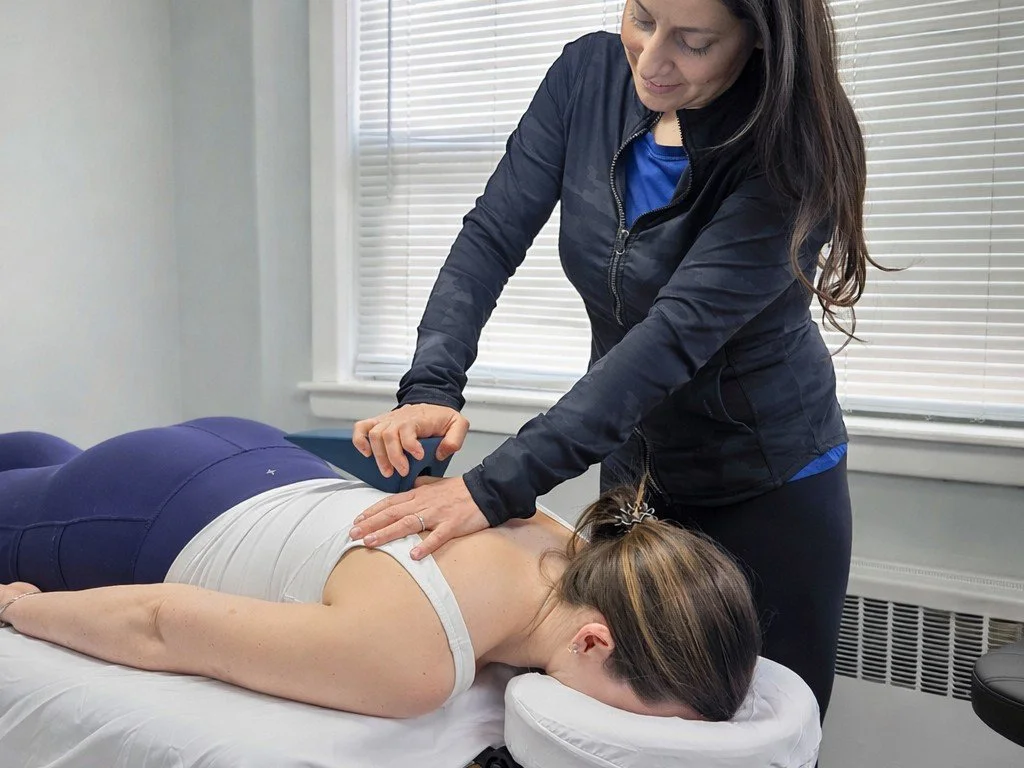
Treatment may include hands-on techniques, dry needling, mobility work, pelvic floor treatment, and progressive strengthening based on what your body needs.
BUILD BACK TO ACTIVITY
We carry those changes into lifting, exercise, running, work, and everyday movement so you can get back to doing what matters to you.
Orthopedic Pelvic, Hip & Low Back Physical Therapy FAQs
-
Yes. Your pelvic floor works together with your hips, core, breathing system, and spine, so dysfunction in one area can sometimes contribute to symptoms elsewhere. Pelvic floor muscle tension, weakness, or difficulty coordinating with the rest of your body may be one piece of persistent hip, pelvic, or low back pain.
We assess how these areas work together rather than assuming the problem is only where you feel the pain.
-
It isn’t always obvious, which is why looking at the whole system can be helpful. Pelvic floor involvement may be worth considering when hip or back pain is persistent, keeps returning, occurs alongside pelvic, bladder, or bowel symptoms, or hasn’t fully improved with traditional treatment.
We assess your pelvic floor, hips, spine, core, breathing, strength, and movement to determine what may be contributing and where treatment should focus.
-
Yes. SI joint pain can be influenced by how the pelvis, hips, core, and pelvic floor work together. Strength, mobility, muscle tension, and how you load and stabilize through the pelvis can all contribute to symptoms.
Physical therapy can help identify what may be driving your pain and address the specific strength, mobility, and movement factors involved rather than treating the SI joint in isolation.
-
Yes. Tailbone pain can be related to the pelvic floor muscles, surrounding joints and tissues, or how your pelvis responds to sitting and movement. It may develop after a fall, pregnancy or delivery, prolonged sitting, or sometimes without an obvious injury.
We can assess coccyx mobility, pelvic floor function, hip and pelvic mobility, strength, and movement patterns to identify factors that may be contributing and help make sitting and everyday activities more comfortable.
-
If your symptoms haven’t fully improved with traditional physical therapy, it may be worth looking at other factors that haven’t been addressed. The pelvic floor, breathing system, core, hips, and spine all work together, and sometimes focusing only on the painful area misses part of the picture.
We’ll look at what you’ve already tried, what helped, what didn’t, and what may still be contributing to determine a different path forward.
-
No. An internal pelvic floor exam is never required. We can learn a lot by assessing your hips, spine, core, breathing, strength, mobility, and movement.
If we think the pelvic floor may be contributing and an internal assessment could provide useful information, we’ll explain why it may be helpful and what other options are available. You decide what feels right for you.
-
Yes. Our goal isn’t just to decrease pain—it’s to help you get back to the activities you want to do. Once we understand what’s contributing to your symptoms, we progressively build the strength, mobility, and capacity your body needs for higher-level activity.
Treatment can be tailored to the demands of lifting, running, strength training, sports, or whatever type of exercise matters to you.
-
It looks a lot like orthopedic physical therapy—with an additional understanding of how the pelvic floor may be influencing the rest of your body. Depending on what we find, treatment may include hands-on techniques, dry needling, mobility work, pelvic floor treatment, and progressive strengthening.
Your treatment is built around your symptoms, how your body moves, and what you want to get back to, rather than treating one body part in isolation.
Ready to Get Started?
Whether you’re dealing with persistent hip, pelvic, or low back pain, haven’t gotten the results you hoped for with previous treatment, or want to get back to the activities you love, we’re here to help you figure out what may be contributing and find a path forward.
Have more questions? Visit our General FAQs →